


Medically reviewed by
USA Fibroid Centers Medical Team
Published June 26, 2026
Your vaginal discharge changes throughout your menstrual cycle. In the days before your period, your discharge becomes noticeably thicker and creamier than at other times in your cycle. This shift happens because of changing hormone levels that prepare your body for menstruation. If you’re noticing changes in your discharge and wondering whether they’re normal, you’re not alone. This guide walks you through what to expect, how fibroids can affect discharge patterns, and when it’s time to talk to a doctor.
What Is Vaginal Discharge and Why Does It Change?
Vaginal discharge is a normal fluid produced by glands inside your cervix and vagina. It serves several important functions: keeping your vagina clean, maintaining healthy bacteria balance, preventing infections, and moisturizing vaginal tissues. The amount, color, and consistency of discharge shift throughout your menstrual cycle in response to changing hormone levels.
The Role of Discharge in Your Body
Vaginal discharge removes dead cells and bacteria, keeping the environment balanced and healthy. Many women feel more comfortable understanding what’s normal for their body rather than worrying about natural discharge. The key is recognizing your own patterns so you can spot when something feels different.
How Hormones Control Your Discharge
Estrogen and progesterone are the primary hormones that drive discharge changes. During the first half of your cycle (the follicular phase), estrogen rises and cervical mucus becomes thin and slippery. After ovulation, progesterone takes over and the discharge becomes thicker and creamier. This shift happens in the luteal phase, the second half of your cycle. It’s this progesterone surge that creates the characteristic discharge you notice in the days before your period.
What Normal Discharge Looks Like Before Your Period
In the days leading up to menstruation, most women notice discharge that looks and feels different from other times in the month.
Color
White, off-white, or pale yellow are all normal colors for premenstrual discharge. Some women also notice a very light brown tint, which usually indicates old blood from the end of the previous cycle mixing with cervical mucus. Discharge color can vary slightly from cycle to cycle and from woman to woman, so a slight variation does not always mean something is wrong.
Consistency
The word most women use to describe premenstrual discharge is “thick” or “creamy.” Your discharge may feel sticky or tacky during this phase. This thicker consistency is the result of progesterone’s effect on cervical mucus. It’s noticeably different from the thin, watery, or slippery discharge you may notice during ovulation. Some women describe premenstrual discharge as similar to lotion or hand cream.
Amount
The volume of discharge before your period varies from person to person. Some women notice a slight increase, while others notice very little change. On average, discharge volume during the luteal phase is less than what you experience at ovulation, but more than in the follicular phase (right after your period ends). If the amount is typical for your cycle and isn’t accompanied by itching or odor, it’s likely normal.
Smell
A mild odor during this phase is normal. Your discharge may have a slightly stronger smell than it does at other times in your cycle. If the odor is faint and not unpleasant, it’s part of healthy discharge. A strong, fishy, or foul smell, by contrast, can signal infection and warrant a call to your doctor.
Timing
Changes in discharge before your period typically appear a few days to a week before menstruation starts. Some women notice shifts about 5-7 days before their period, while others don’t see noticeable changes until 1-2 days before bleeding begins. Your personal timeline is just that: personal. Track your own patterns over a few cycles to learn what’s normal for you.
How Hormones Affect Your Discharge
Your menstrual cycle is divided into phases, each with distinct hormonal profiles that affect your discharge.
During the follicular phase (from the start of your period through ovulation), estrogen gradually rises. Cervical mucus becomes increasingly thin and stretchy as estrogen peaks, reaching its most slippery consistency right at ovulation. This watery, egg-white-like mucus is your body’s fertile window signal.
Ovulation marks the middle of your cycle, when an egg is released. Discharge during this window is noticeably thin and slippery, optimized for sperm movement.
The luteal phase (after ovulation until your period starts) is when progesterone dominates. This hormone thickens cervical mucus, creating the creamy, sticky discharge you notice before your period. Progesterone also slows peristalsis (the movement of your digestive system), which is why many women experience constipation or bloating during this phase alongside thicker discharge.
As your period approaches, hormone levels begin to drop. This drop triggers the start of menstruation and also creates the specific discharge characteristics you recognize as “pre-period.” The combination of hormonal decline and preparation for shedding the uterine lining creates the thick, white, creamy discharge that’s so characteristic of this phase.
Discharge Changes If You Have Fibroids
Some women experience additional changes to their discharge. If you have fibroids, non-cancerous growths that develop in or on the uterus, you may notice these changes are more pronounced than typical hormonal shifts.
How Fibroids Affect Discharge
Fibroids can irritate the uterine lining, causing the uterus to produce more mucus in response. This typically results in increased vaginal discharge that may feel watery or watery-and-sticky. Some women with fibroids also notice spotting or light bleeding between periods, which mixes with cervical mucus to create pink or brown-tinged discharge.
The effect depends on fibroid size and location. Large fibroids or fibroids located close to the uterine lining (submucosal fibroids) are more likely to trigger discharge changes than small intramural fibroids. If you’ve recently been diagnosed with fibroids and your discharge patterns have shifted, the two may be related.
Fibroid Discharge vs. Normal Discharge
Normal premenstrual discharge is thick and creamy but in a predictable amount tied to your menstrual cycle. Fibroid-related discharge tends to be more watery and may occur throughout your cycle, not just before your period. You might also notice spotting or pink-tinged discharge that appears randomly rather than following a typical cycle.
An important distinction: fibroids do not cause yeast infections or bacterial vaginosis on their own. However, increased discharge volume, especially if you wear pads daily, can create a warm, moist environment that increases infection risk if hygiene isn’t carefully maintained. If you notice a foul odor, thick white cottage-cheese-like texture, or itching alongside fibroid discharge, an infection may have developed and needs treatment.
Spotting Between Periods
Spotting with fibroids happens when fibroid tissue irritates the uterine lining or when heavy periods extend bleeding across more days of the month. Light pink or brown discharge between your period and the next expected cycle can feel alarming, but in the context of fibroids, it’s a recognized symptom. If spotting is new for you or heavier than before, mention it to your doctor.
When Discharge May Indicate a Problem
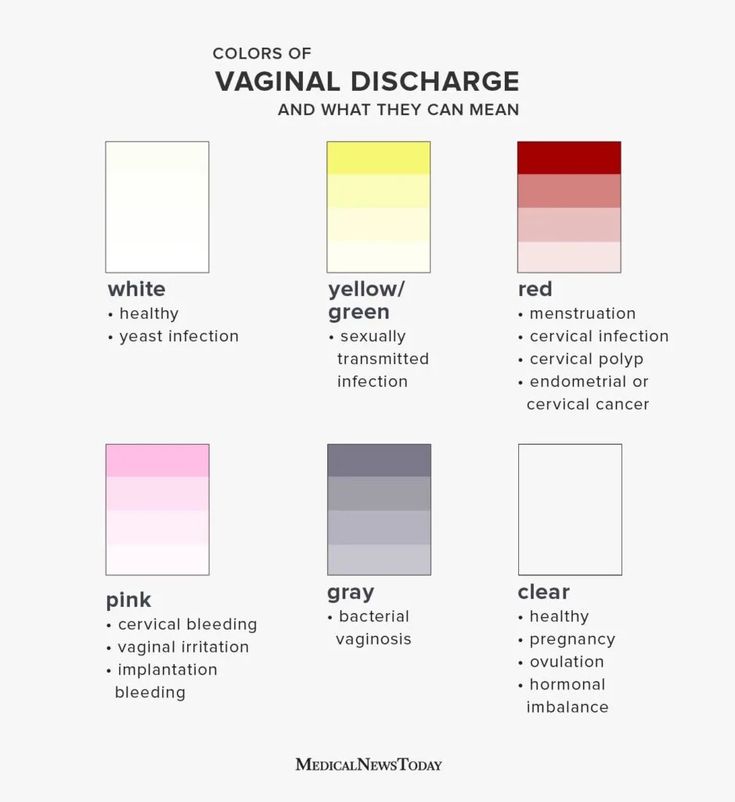
While most discharge changes are normal, certain characteristics warrant medical evaluation.
Green or yellow discharge can signal a bacterial or sexually transmitted infection (STIs). Trichomoniasis, gonorrhea, and chlamydia all produce greenish discharge, often with a foul smell. These conditions need prescription treatment.
Gray discharge, especially with a fishy odor, typically indicates bacterial vaginosis, a very common condition caused by an imbalance in the natural bacteria living in the vagina. Bacterial vaginosis is common and treatable with antibiotics, but it won’t resolve without medication.
Thick, white, cottage-cheese-like discharge accompanied by itching or burning suggests a yeast infection. These are very common, especially around hormonal shifts. Over-the-counter antifungal treatments work for many women, but some infections require prescription medication.
Foul or strong odor in your discharge can signal infection. While a mild odor is normal, a noticeably unpleasant smell, especially if it’s new for you, warrants a doctor’s visit.
Excessive volume with pain during urination, pain during sex, or pelvic pain should prompt evaluation. These symptoms may indicate infection, inflammation, or, in some cases, other medical conditions.
Heavy spotting or bleeding between periods, especially if it’s accompanied by cramping or clotting, can occur with fibroids. It can also signal hormonal imbalance or other conditions. If bleeding between periods is new or heavy, contact your doctor.
While fibroids don’t cause infections by themselves, heavy bleeding or increased discharge can increase infection risk if pads are worn for extended periods. If your discharge develops a foul smell or unusual color, seek evaluation to rule out infection.
[locations-cta]
Frequently asked questions
Understanding your body
Discharge questions are normal. Answers are available.
Vaginal discharge is a natural part of being a woman, and learning what’s normal for you is empowering. Most discharge changes are harmless and reflect healthy hormonal shifts. Some women, particularly those with uterine fibroids, experience additional changes like increased watery discharge or spotting.
If discharge changes are accompanied by other symptoms like heavy periods, pelvic pressure, painful intercourse, or difficulty with urination, speaking with a specialist can help determine what’s causing them and what treatment options might help.
Medical disclaimer: This content is for educational purposes only and does not constitute medical advice, diagnosis, or treatment. Always consult with a qualified healthcare provider before making any health-related decisions. If you are experiencing unusual discharge, heavy bleeding, pelvic pain, or other concerning symptoms, please see a physician for proper evaluation and care.